Choosing the best font pairings for modern website headings can significantly impact how users perceive your brand. A well-chosen combination enhances readability, supports visual hierarchy, and aligns with current design trends.
What Are Best Font Pairings for Modern Website Headings?
Font pairings involve combining two or more typefaces to create contrast and balance. For website headings, this means selecting a strong, attention-grabbing font for the main title and a complementary, easier-to-read font for subheadings or supporting text.
This approach works well for landing pages, blogs, and portfolios where clarity and visual appeal are both important. Using contrasting fonts helps guide the eye and makes content more scannable.
How to Choose the Right Pairing
Start by identifying the tone of your website. A tech startup might use a sleek sans-serif for headings paired with a clean serif for body text. A creative agency could mix a bold display font with a handwritten script for a unique touch.
Consider the purpose of each heading. Large headlines need high contrast and legibility, while smaller subheadings benefit from subtle differences in weight or style. Always test pairings at different sizes to ensure they work across devices.
Tips for Customizing Your Font Pairings
Experiment with weight, spacing, and style to find harmony. A bold sans-serif paired with a light serif often creates a balanced look. Avoid overly decorative fonts for headings unless they match the overall aesthetic of your site.
Avoid using more than three fonts on a single page. Too many can confuse the reader and dilute your brand identity. Stick to two or three complementary styles for consistency.
Common Mistakes and Fixes
One common error is choosing fonts that are too similar. This reduces visual interest and makes it hard to distinguish between headings and body text. Try increasing the contrast between the fonts.
Another mistake is ignoring legibility. Some fonts look great in large sizes but become hard to read when scaled down. Always check how your chosen pairings appear on mobile screens.
Next Steps for Implementing Best Font Pairings
- Select two fonts that complement each other in style and weight.
- Test them at different sizes to ensure readability across all devices.
- Apply the pairing consistently throughout your site for a cohesive look.
For more guidance on matching fonts for professional website titles, visit this resource. Learn how to choose typography for website headers with these tips.
Try It Free Effective Font Combinations for Digital Content Headings
 Best Matching Fonts for Professional Website Titles
 Elegant Serif Font Combinations for Luxury Branding
 Elegant Serif Combinations for Professional Websites
 Elegant Serif Combinations for High End Fashion Sites
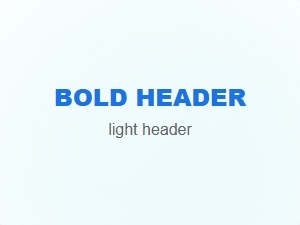 Creating Contrast with Bold and Light Font Pairings